
2025 Book Club Events
January 14 | 7 – 8:30 p.m. | Register here
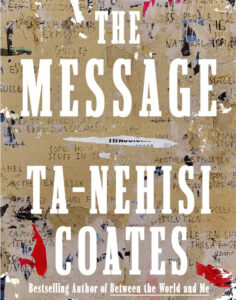
The Message by Ta-Nehisi Coates
Ta-Nehisi Coates originally set out to write a book about writing, in the tradition of Orwell’s classic “Politics and the English Language,”but found himself grappling with deeper questions about how our stories—our reporting and imaginative narratives and mythmaking—expose and distort our realities.
March 11 | 7 – 8:30 p.m. | Register here
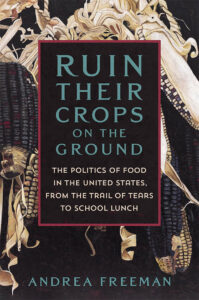
Ruin Their Crops on the Ground by Andrea Freeman
In 1779, to subjugate Indigenous nations, George Washington ordered his troops to “ruin their crops now in the ground and prevent their planting more.” Destroying harvests is just one way that the United States has used food as a political tool. Trying to prevent enslaved people from rising up, enslavers restricted their consumption, providing only enough to fuel labor. Since the Great Depression, school lunches have served as dumping grounds for unwanted agricultural surpluses.
May 13 | 7 – 8:30 p.m. | Register here
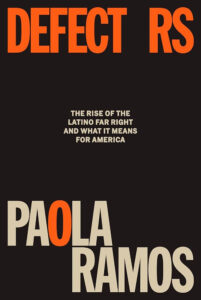
Defectors: The Rise of the Latino Far Right and What it Means for America by Paola Ramos
An award-winning journalist’s exploration of how race, identity and political trauma have influenced the rise in far-right sentiment among Latinos, and how this group can shape American politics.
July 8 | 7 – 8:30 p.m. | Register here
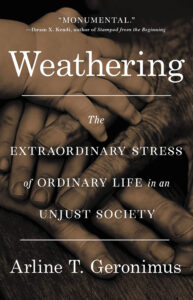 Weathering: The Extraordinary Stress of Ordinary Life in an Unjust Society by Arline T. Geronimus
Fusing science and social justice, renowned public health researcher Dr. Arline T. Geronimus offers an urgent and necessary book exploring the ways in which systemic injustice erodes the health of marginalized people.
September 16 | 7 – 8:30 p.m. | Register here
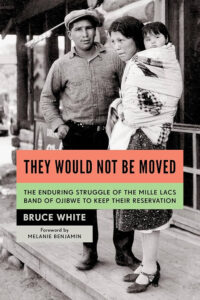 They Would not be Moved: The Enduring Struggle of the Mille Lacs Band of Ojibwe to Keep Their Reservation by Bruce White
An 1855 treaty set aside thousands of acres to be the permanent home of the Mille Lacs Band of Ojibwe, but in order for members to hold this land it required resolute actions and unwavering commitment. This important volume details how an Indigenous community repeatedly stood up for itself and won against overbearing pressures across decades.
November 11 | 7 – 8:30 p.m. | Register here
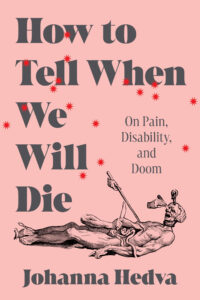 How to Tell When We Will Die
by Johanna Hedva
The long-awaited essay collection from one of the most influential voices in disability activism that detonates a bomb in our collective understanding of care and illness, showing us that sickness is a fact of life.