Seeding Food Security

Prior to the COVID-19 pandemic, more than 450,000 Minnesotans didn’t have consistent access to nutritious food. This number has been increasing year after year since food insecurity spiked during the Great Recession.

Ask any volunteer or staff member at a food shelf today and they’ll tell you the same thing: food insecurity is sharply rising again.

Second Harvest Heartland projects that food insecurity will increase nearly 60% in 2020 with more than 730,000 Minnesotans struggling to secure food for their families. The data suggests that this number will peak in the fall.

In fact, we’re expecting to see a hunger crisis reminiscent of the Great Depression.

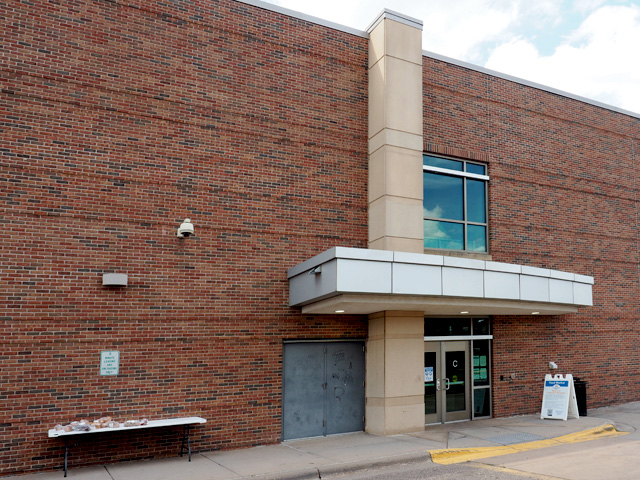
Food Market drive up pick up

What is food insecurity?

According to the USDA, food insecurity is a lack of access to enough food to lead a healthy, active life for all members of a family. In addition, food insecurity refers to uncertain access to quality, nutritionally adequate foods such as fresh fruits and vegetables and whole grains. Finally, a factor that is also important to consider is that families have access to foods that reflect their culture.

How is Neighborhood House addressing food insecurity?

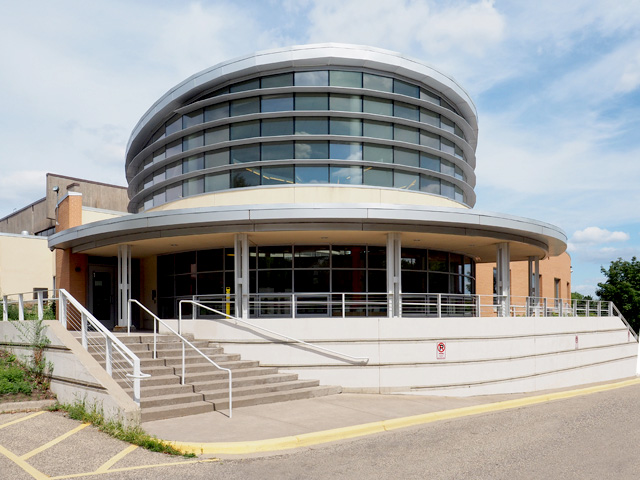
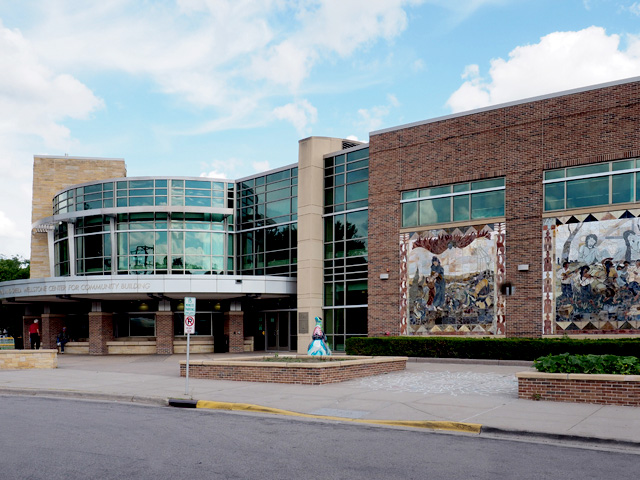
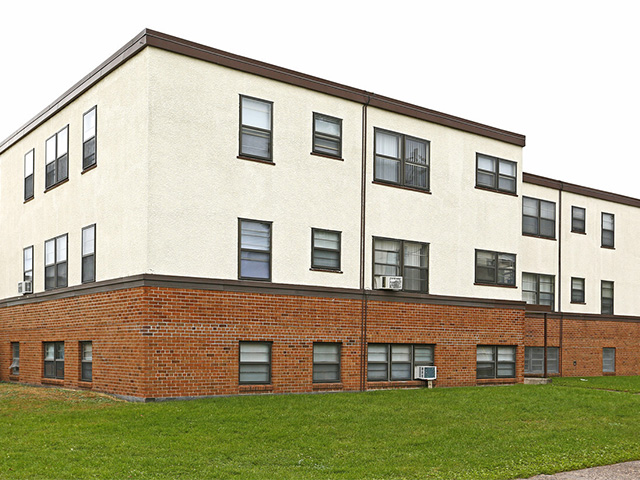
Food Support Program Manager Georgi Nguyen leads Neighborhood House’s efforts in addressing food insecurity. She oversees the two Food Markets at the Wellstone Center and Sibley Manor Apartments. She also oversees the Fresh Produce Pickup Program and the SNAP and NAPS outreach programs. Along with 8 other staff members and various interns, AmeriCorps members, volunteers, and senior aides, the food support team is working hard to meet the needs of the community, particularly during the pandemic. (Read more about the Food Support program.)

What are some barriers that families face?

Many families live in areas without any full-service grocery stores. In addition, driving, biking, walking, and bussing are not always available to everyone, particularly to seniors and people with disabilities. This creates many barriers to getting food each week. Neighborhoods like these without easy access to fresh, healthy, and affordable food are called food deserts.

How does Neighborhood House work to best serve the community?

Georgi shares her commitment to the families we serve. “As a team, all our work is about putting participants first. All the programming, and any changes that we have ever made to the programs, are influenced by feedback from participants.”

The Fresh Produce Pickup events, for example, were created in 2013 based on community needs. “Participants expressed that they only got produce from Neighborhood House. And that they couldn’t afford it or access it where they lived. That is truly the foundation of why this program was created.”

Although our food markets stock fresh fruits and vegetables, the Fresh Produce Pickup events were designed to supplement food market shopping and reach families in food deserts who weren’t able to or struggled to visit our food markets.

Fresh Produce Distribution - Wellstone51

Why do food deserts exist? Who is responsible for food insecurity?

Many families who live in food deserts live at an intersection of marginalized groups based on race, class, and migration status.

The existence of food deserts can be traced back to times when racial segregation was part of city-planning. Policies created by White people, like policies that created racial segregation in the Twin Cities, have a multitude of oppressive outcomes, including food insecurity and food deserts.

What are some current solutions to this problem?

A true solution to food deserts and food insecurity would be no easy task. It would involve major changes on a governmental level and taking a strong stance on the right to food.

But for now, food shelves and other food support programs are major players in addressing food access. They not only provide food to those living in food deserts, but they provide food to families who are struggling to afford enough groceries—and try to do so in a way that allows families to maintain their dignity.

“One value and practice that we have is about creating a safe and nonjudgmental space. The idea of needing to ask for support or to use a food shelf can feel really demeaning for a family,” says Georgi. “We try to make sure that their shopping experience restores that dignity to them. For example, certain features like choosing their own foods and providing shopping carts make it more like a regular grocery shopping experience.”

FoodShelf2020-101

What are a few long-term strategies Neighborhood House is looking at?

As we are likely to see demand increase even more into 2020 and beyond, Georgi would like to see upgrades to technology and larger storage spaces in the markets. This would allow us to serve more families and to serve them more efficiently. But she dreams bigger, sharing about her goal of Neighborhood House becoming more involved in public policy work, giving us a seat at the table where we can advocate on a governmental level for our participants.

How can I help my neighbors with food access?

As a community organization, we rely on community members to help us meet the needs of our neighbors. Especially during the COVID-19 pandemic and its aftereffects, we need your support. You can expand access to fresh, healthy foods for thousands of families in St. Paul. Make a donation today or sign up to volunteer at one of our Fresh Produce Pickup events.
Please fill out and submit the form below to contact us.

Carrie Sowada | Child Development Specialist

Carrie comes to Neighborhood House as a recent graduate of the U of M’s Family Social Science program, where they graduated with distinction. They have more than five years of experience working with and mentoring children in St. Cloud area youth programs, as well as customer service and restaurant experience. Additionally, Carrie has experience in community building, advocacy, and working with children diagnosed with autism spectrum disorder. In their spare time, Carrie enjoys crocheting. It’s their favorite hobby. 

Valerie Dorschner | Early Childhood Instructor

Valerie has worked at Neighborhood House since 2004.

Valerie leads the Skills for School preschool program and is responsible for the curriculum. She has over 20 years of experience in early childhood working with parents and children, and has training and experience working with neurodiverse and dual language students.

  • Valerie is a licensed teacher with a bachelor’s degree in Education from the University of St. Thomas.
  • She holds licenses in elementary education and in early childhood education, and has several years of experience
    teaching elementary school.

Valerie enjoys her free time with her five children and one grandchild.

Victoria Campoverde

Victoria Campoverde is the program manager of Neighborhood House’s Latino Leadership Program. She is originally from Peru and was a licensed high school teacher in her home country.

Her extensive experience within the education sector exemplifies her commitment to education and families.

  • Currently, she serves as the Cultural Liaison between Columbia Heights School District and Anoka-Hennepin School District.
  • In 2008 Victoria began working with The Amherst H. Wilder Foundation’s Latino Leadership Program on adapting their curriculum for the Latinx community. Since then, she has continued working in the Latino Leadership Program after its 2020 transition to Neighborhood House.
  • Coauthor of Education: Our Best Legacy (EOBL), a school success program designed for parents or caregivers with one or more children in middle school. EOBL is part of the Partnering for School Success project (PSS) with the University of Minnesota’s Extension program.
  • Lead teacher and Program Director at Joyce Preschool.
  • A 25 on the Rise, Latino Leader recipient from the Hispanic Chamber of Commerce in 2006.
  • Facilitator with different Latino parent programs in the Twin Cities.
  • President of Kuyayki Peru MN Cultural Association.

For Victoria it is important to value ones culture and cultivate ones heritage. She believes in the importance of empowering the community through her work with Neighborhood House and the Latino Leadership Program. During her free time Victoria enjoys dancing.

Winter / Spring Fresh Produce Distributions Events*

From November–May, all are welcome to come pick up a variety of free fruits and vegetables for family and friends. Distributions take place at Metro State University in St. Paul.

This event is held indoors. Masks are encouraged but not required.

During each event, we distribute approximately 3,000 pounds of food to approximately 75-100 families on average.

No documentation or identification is required to participate.

For additional questions about the Food Markets, please visit our Frequently Asked Questions page.

Event guideline and details: Our fresh produce events are open to everyone!

  • Requirements: Nothing! You do not need identification to receive food.
  • Recommendations: You may want to bring your own bags and a cart if you have one. On average, visitors will leave with approximately 40 pounds of fresh produce per event. 
  • Registration: First-time visitors are required to register on site. The registration process will take 5-10 minutes to complete.
  • Parking: You can park in the Metro State ramp parking for $5. Otherwise, street parking is available along 7th St. and Bates Avenue.

Wellstone Center | 179 Robie Street East, St. Paul, MN  55107


Location

Metropolitan State University

(Student Center Room)
101 690 E 7th St
St. Paul, MN 55106

TIME – 2:30–4 P.M.

DATES – December 17, 2025 | January 14, 2026 | February 11, 2026 | March 11, 2026 | April 8, 2026 | May 13, 2026


* Weather permitting – If there are thunderstorms or excessive heat warnings, we may cancel the event and / or events. For more information and event cancellation updates, please call (651) 789-3630.

Still have questions? Kindly email Nicki Thao, Food Market Site Coordinator.

Summer / Fall distributions* (Summer 2025)

From July to October, all are welcome to come pick up a variety of free fruits and vegetables for family and friends at our St. Paul locations. 

The distributions are held outdoors and are farmer’s market style. No documentation or identification is required to participate.

For additional questions about Food Support, please visit our Frequently Asked Questions page.

Event guideline and details: Our fresh produce events are open to everyone!

  • Requirements: Nothing! You do not need identification to receive food.
  • Recommendations: You may want to bring your own bags and a cart if you have one. On average, visitors will leave with approximately 40 pounds of fresh produce per event. 
  • Registration: First-time visitors are required to register on site. The registration process will take 5-10 minutes to complete.
  • Parking: You may park on the street at most of our locations. 
 

Locations

The Wellstone Center*

179 Robie Street
St. Paul, MN 55107

Dates

Every 2nd and 4th Wednesday from July to October
Hours: 12 p.m.–2 p.m.

  • 7/10
  • 7/24
  • 8/14
  • 8/28
  • 9/11
  • 9/25
  • 10/9
  • 10/23

Summit Brewing Parking Lot

902 Montreal Circle
St. Paul, MN 55102

Dates

Every 1st and 3rd Thursday from July to October
Hours: 12 p.m.–2 p.m.

  • 7/3
  • 7/17
  • 8/7
  • 8/21
  • 9/4
  • 9/18
  • 10/2
  • 10/16

* Weather permitting. If there are thunderstorms or excessive heat warnings, we may cancel the event and / or events. For more information and event cancellation updates, please call (651) 789-3630.

Still have questions? Please email Nikki Thao, Food Market Coordinator.

Food Market Location

Francis Basket

1293 East Maynard Drive #410
St Paul, MN 55116
Phone: (651) 699-0986

Building Hours

Monday

9AM – 11:30AM

Tuesday & WEDNESDAYS

9AM – 11:30AM
1PM – 4PM

Highland / Sibley Manor

Food Market Location

The Wellstone Center

179 Robie Street
St. Paul, MN 55107
Phone: (651) 789-2500
Food Market Info: (651) 789-3630

Appointment Required

Make Appointment online: Click Here

Appointment Scheduling Hours

Monday – Friday

9:30AM–4PM

Operating Hours

Monday

TUESDAYFRIDAY

SATURDAY

  • 1–4PM 
  • 9:30–11:30AM
  • 1–3:30PM

Closed Saturdays until 2026

Wellstone Center Food Market

St. Paul Music Academy

27 Geranium Avenue East
St Paul, MN 55117
Service Connect: (651) 789-3602

Building Hours

Monday – Friday

9AM – 4PM

St. Paul Music Academy

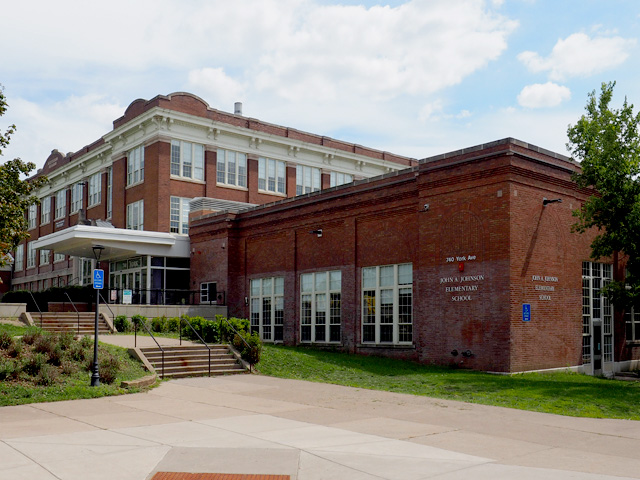
John A. Johnson Elementary

740 York Avenue
St Paul, MN 55106
Service Connect: (651) 789-3602

Building Hours

Monday – Friday

9AM – 4PM

John A. Johnson Elementary

Neighborhood House on Montreal

1080 Montreal Ave
St Paul, MN 55116
Service Connect: (651) 789-3602

Building Hours

Monday – Friday

9AM – 4PM

No appointment necessary

Operating Hours​

MONDAYWEDNESDAY

  • 9:30–11:30AM
  • 1–4PM
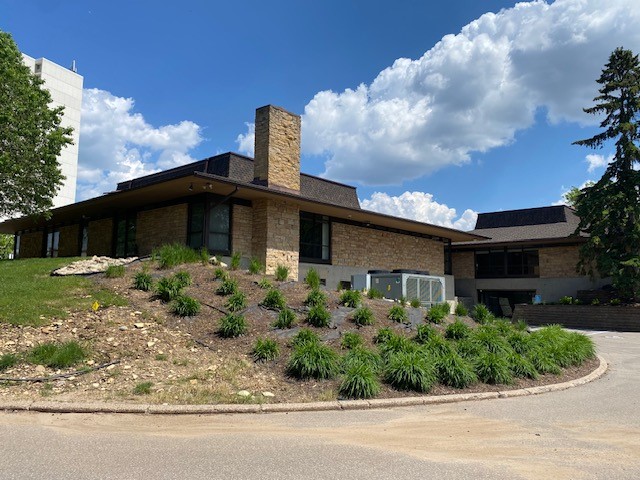
Neighborhood House on Montreal

Dayton's Bluff Elementary

262 Bates Avenue
St. Paul, MN 55106
Service Connect: (651) 789-3602

Building Hours

Monday – Friday

9AM – 4PM

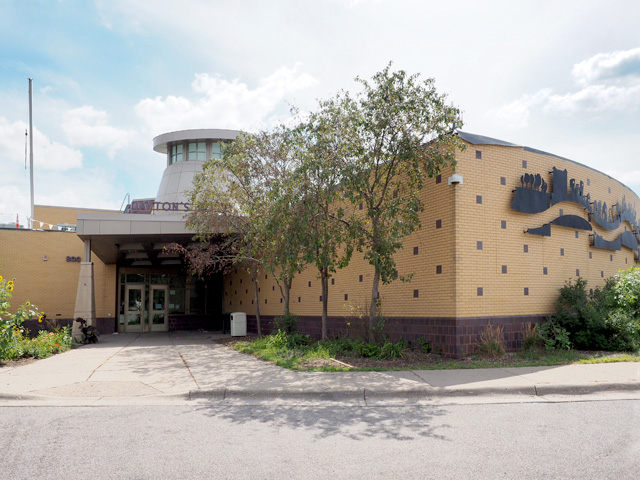
Dayton's Bluff Elementary

Bruce Vento Elementary

409 Case Avenue East
St Paul, MN 55130
Service Connect: (651) 789-3602

Building Hours

Monday – Friday

9AM – 4PM

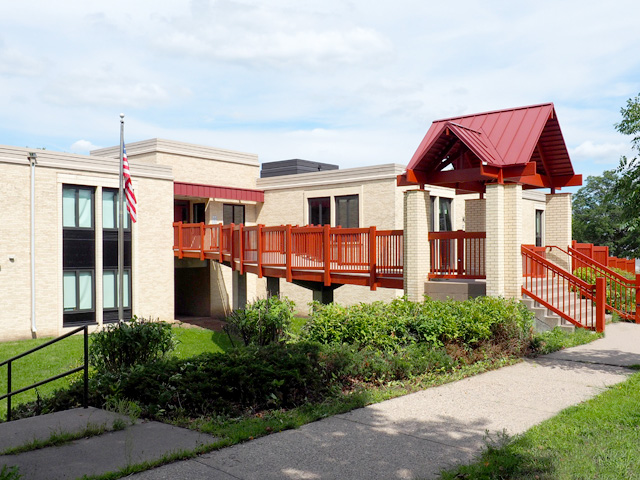
Bruce Vento Elementary

Main Campus

The Wellstone Center

179 Robie Street
St. Paul, MN 55107
Main Phone: (651) 789-2500
Service Connect: (651) 789-3602
Food Market Info: (651) 789-3630

Building Hours

Monday – Friday

8AM – 9PM

Saturday

8AM – 4PM

Sunday

NOON – 5PM

The Wellstone Center

Parking

The Wellstone Center Parking Ramp is located on the west side of the main building. The ramp has three levels with one elevator bank. Take the elevator to the first floor and follow the signs towards the information desk.
Parking is free.

Note: Building hours may be adjusted due to holidays, emergencies, program changes or weather. Check our website homepage and social media for possible building hour changes.